Storytelling: Modern Life Guide
Points clés
- The shape of a good story has not changed, but the channels have, so choose text, voice, video or face to face by what each story needs.
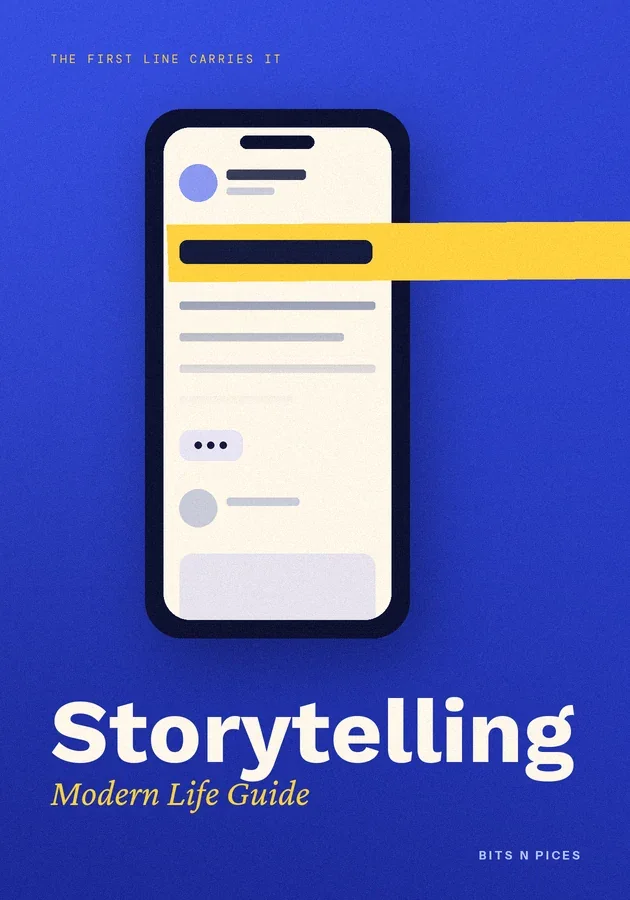
- On a small screen the first line must carry the tension, and whatever it promises, the rest of the post has to honestly deliver.
- On video calls, say in one line why you are telling a story, keep it near a minute and leave longer pauses for lag.
- Under money pressure, tell smaller true stories with checkable details and permission, because one exposed exaggeration can cost years of trust.
- Before forwarding a moving story, pause to ask who first told it, when, and whether it is one case dressed up as a trend.
À l'intérieur de ce bit
- What changed and what still holds
The shape of a good story is older than any device. Someone wants something, something gets in the way, something changes, and a listener carries away a point.
- The first line on a small screen
On a crowded feed, the first line decides whether anyone reads the second. Most people open with context, such as how long they have been in business, because that is where the story begins for them.
- Telling stories on calls and in remote teams
A video call strips away much of what makes a story work in a room. Faces are small, some cameras are off, listeners are half-reading email, and lag delays every reaction.
- Honest stories under money pressure
When money is tight, the pressure to sell rises: freelancers pitch, small sellers post daily, and employees ask for more. Stories persuade better than lists of features, which is exactly why the temptation to stretch them is strong.
- Stories that travel too well
Stories spread faster than facts because they are easier to feel and to retell. That power cuts both ways.
- Family stories across distance and devices
Many families now live across cities or countries, their stories travelling by call and voice note. Two habits keep them stories rather than status reports.
Apprenez-le de six manières
Visualisation, Carte mentale, Pratique, Scénario, Défi et Révision sont disponibles pour ce livre.
Quiz et cartes mémoire
Testez ce que vous avez lu et retenez-le grâce à la répétition espacée.
Bits AI
Il répond sur le livre, la section ou la question de quiz sur laquelle vous vous trouvez.