

重要なポイント
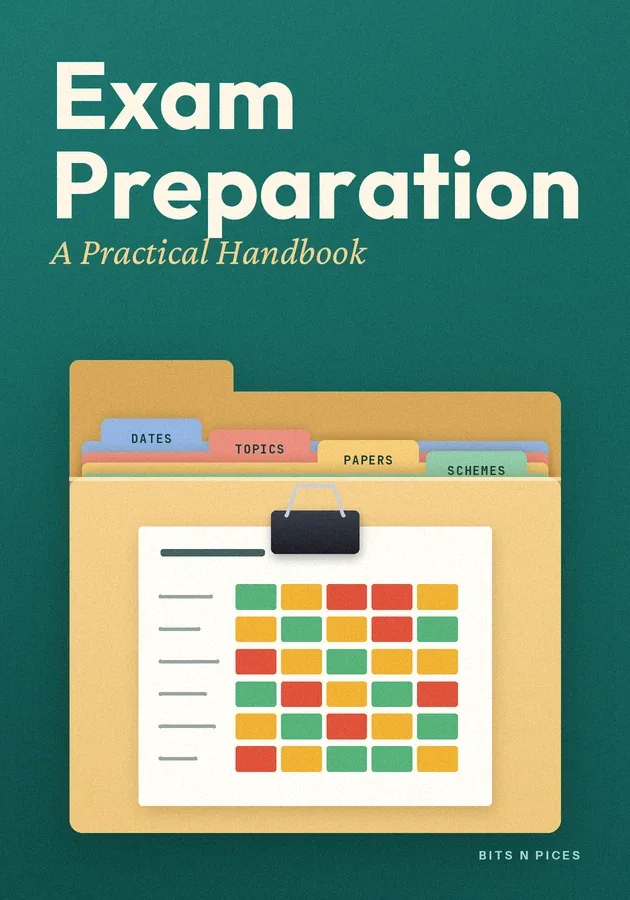
- Gather exam dates, the topic list, past papers and mark schemes into one folder before planning anything, and put a one-page summary where the family sees it.
- Build the revision timetable with your child: colour topics red, amber or green, then place short, named sessions with a spare slot each week.
- Run home practice papers as the timekeeper, not the helper; you do not need to know the subject to time, read the mark scheme and ask questions.
- Sort every lost mark into not known, misread, out of time or careless slip, because each reason needs a different fix next week.
- Use written checklists for the last week, the night before and the morning, and keep family routines steady, calm and the same for everyone.
このbitの内容
- Start with one exam folder
Before anyone makes a plan, gather the facts into one place. A plain folder, paper or digital, needs four things.
- Building the revision timetable together
Revision means going back over what has been taught and practising it until it sticks. A revision timetable is simply a plan of which topic gets practised when.
- Running a practice paper at home
A practice paper done at home, under real timing, is the closest thing to the exam your child can get. Pick one past paper, or a single section if the full paper is long.
- Turning a marked paper into a fix list
A marked paper is only useful once it becomes a plan. Draw four columns on a sheet: the question number, the marks lost, the reason, and the fix.
- Checklists for the final week and morning
The final week is for polishing, not for new material. Its checklist: short sessions aimed at the red topics and the fix list, one last timed section early in the week, and the practical details confirmed, meaning the venue, the start time and what may be taken in.
- Family routines and when to ask for help
Routines do more than rules. A shared quiet hour on weekday evenings, when the television is off and everyone does something calm at the same table, makes study the normal thing the house does rather than a punishment for one person.
6つの方法で学ぶ
この本のために、Visualize、Mind Map、Practice、Scenario、Challenge、Reviewが用意されています。
クイズとフラッシュカード
読んだ内容をテストし、間隔反復で記憶に定着させましょう。
Bits AI
あなたが読んでいる本、セクション、クイズの質問について答えます。





