

重要なポイント
- A few family habits carry most of the weight: regular shared meals, plants on most plates, water as the usual drink and simple home cooking.
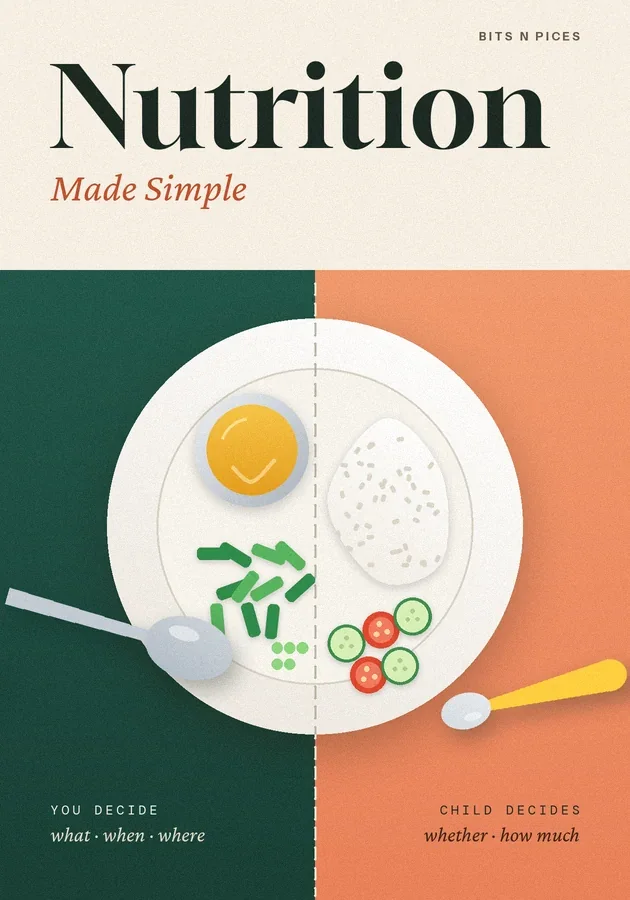
- Split the jobs at the table: you decide what, when and where food is served; your child decides whether to eat and how much.
- Never trade dessert for vegetables, because the deal makes vegetables the price and dessert the prize in your child's mind.
- Children copy what they watch, so describe food as everyday or sometimes and keep weight talk about anyone away from the table.
- Retire food bans and fussy-eater labels, which backfire quietly, and take narrow eating, growth worries or distress about food to a doctor early.
このbitの内容
- The family habits that do most of the work
When every article about children's food contradicts the last, it helps to know that a handful of habits carry most of the weight. Sitting down together for regular meals.
- Myths that make feeding a family harder
Several popular beliefs cause more stress than they solve. The first is that sugar makes children hyperactive.
- Children copy the eating they watch
Children learn most of their food habits by watching, long before they listen. They notice whether you eat vegetables or only put them on their plate, whether you sit down or eat standing at the counter, and how you talk about food and bodies.
- Sharing the jobs at the table
Many food battles end once the jobs are split clearly. The parent decides what is served, when and where.
- When sensible rules quietly backfire
Some family food rules solve tonight's problem and create next month's. Banning a food completely often raises its value: children think about it more and eat it fast when they finally get access at a friend's house.
- Edge cases and when to bring in help
Most family food worries respond to the ideas in this book. Some do not, and those are the ones to recognise early: a child who eats only a handful of foods and gags or panics at new ones, a child with food allergies or a medical condition, worries about growth or energy, or a teenager who suddenly cuts out whole food groups or seems anxious or distressed about food or their body.
6つの方法で学ぶ
この本のために、Visualize、Mind Map、Practice、Scenario、Challenge、Reviewが用意されています。
クイズとフラッシュカード
読んだ内容をテストし、間隔反復で記憶に定着させましょう。
Bits AI
あなたが読んでいる本、セクション、クイズの質問について答えます。





