

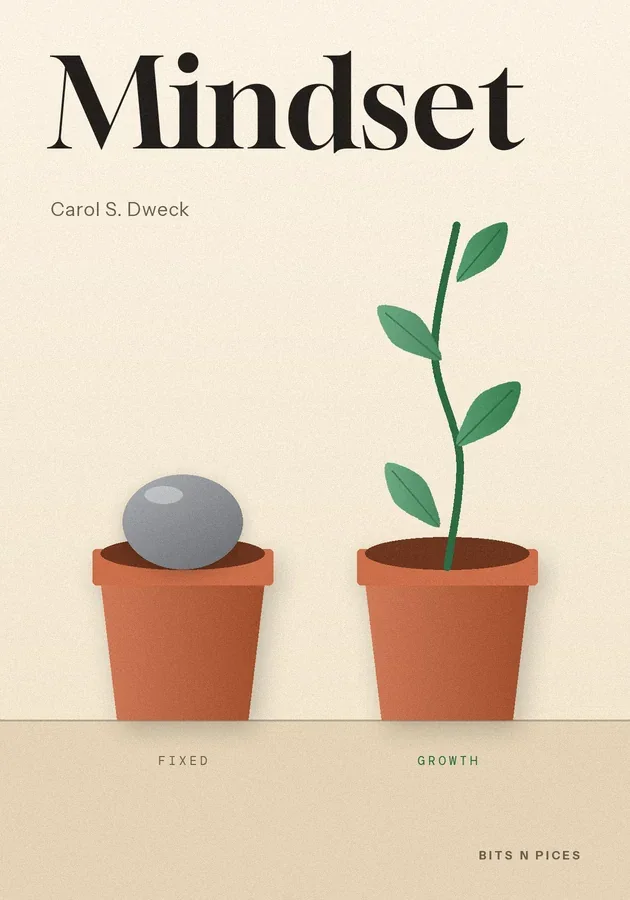
Mindset
Những bài học chính
- Believing ability can grow changes how you respond to effort, mistakes and criticism
- Praise the process, such as strategy and persistence, rather than talent or intelligence
- A fixed mindset makes every test a verdict, so people avoid the hard tasks
- Great coaches and companies build people, not just collect stars
- Add the word yet to any failure and the next step becomes visible
Bên trong bit này
- Two ways to see ability
Give two children a puzzle that is too hard for them. One looks crushed and pushes it away.
- Why failure feels so different
In a fixed mindset, a mistake is not just a mistake. It is evidence about who you are.
- The danger of praising talent
Parents and teachers mean well when they say you are so clever. Dweck's research suggests it backfires.
- Mindset in sport and business
Dweck applies the same lens to champions and companies. She contrasts athletes who see natural talent as the whole story with those who treat every game as practice and every loss as a lesson.
- Changing your own mindset
The good news is that mindsets are beliefs, and beliefs can shift. Dweck describes workshops where students learned that the brain forms new connections when it struggles with something hard.
- Put it to work
This week, catch yourself the next time you praise someone and swap the word clever or talented for a comment on their strategy or persistence. When something goes wrong, write one sentence about what you will try differently, and end it with the word yet.
Học theo sáu cách
Trực quan hoá, Sơ đồ tư duy, Thực hành, Tình huống, Thử thách và Ôn tập được viết riêng cho cuốn sách này.
Bản đọc audio
Nghe bit này, qua giọng đọc của Michael hoặc Bella.
Trắc nghiệm và flashcard
Kiểm tra những gì bạn đã đọc và ghi nhớ lâu hơn với lặp lại ngắt quãng.
Bits AI
Trợ lý này trả lời dựa trên cuốn sách, phần học, hay câu trắc nghiệm mà bạn đang làm.





