Decision Making: A Practical Handbook
Points clés
- Fill a consequences table with facts rather than scores, then cross out any option that is beaten on every row before weighing the rest.
- When there are five or more options, compare them two at a time and count the wins; even young children can answer one pair at a time.
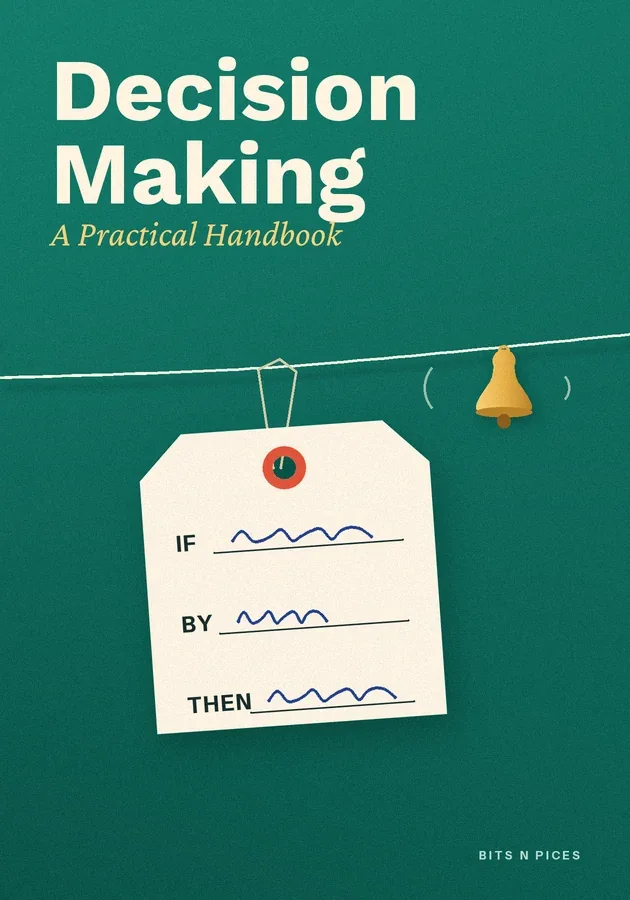
- Before starting anything you cannot judge yet, write a tripwire: if this signal appears by this date, we will take this action.
- Turn decisions that come round every year into a short checklist of questions, and add one question each time something goes wrong.
- Explain family decisions to children in five parts: what we decided, why, what changes, what stays the same, and what you get to choose.
À l'intérieur de ce bit
- The consequences table: facts before scores
A consequences table is a grid showing what each option would mean before anyone scores anything. Put the options across the top and your objectives, the things you want the decision to achieve, down the side.
- Paired comparison for long lists
When a family faces five or more options, a table gets crowded and discussion drifts towards whoever talks longest. Paired comparison fixes both.
- Tripwires: deciding now when to decide again
Many family decisions cannot be judged on day one: a new class, a new work pattern, a new routine. A tripwire is a rule written before you start that says when you will look again and what you will do.
- Checklists for decisions that come round again
Some decisions return every year: choosing a summer programme, booking a repair, picking a tutor. Each time they feel new, and each time the same things get forgotten.
- Explaining a decision to your children
Some decisions are yours as parents to make, but your children still live with them. A clear explanation turns an announcement into something a child can hold.
- A Tuesday evening with the toolkit
The tools work best when you can pick the right one in a minute. Many options: paired comparison.
Apprenez-le de six manières
Visualisation, Carte mentale, Pratique, Scénario, Défi et Révision sont disponibles pour ce livre.
Quiz et cartes mémoire
Testez ce que vous avez lu et retenez-le grâce à la répétition espacée.
Bits AI
Il répond sur le livre, la section ou la question de quiz sur laquelle vous vous trouvez.