

핵심 요약
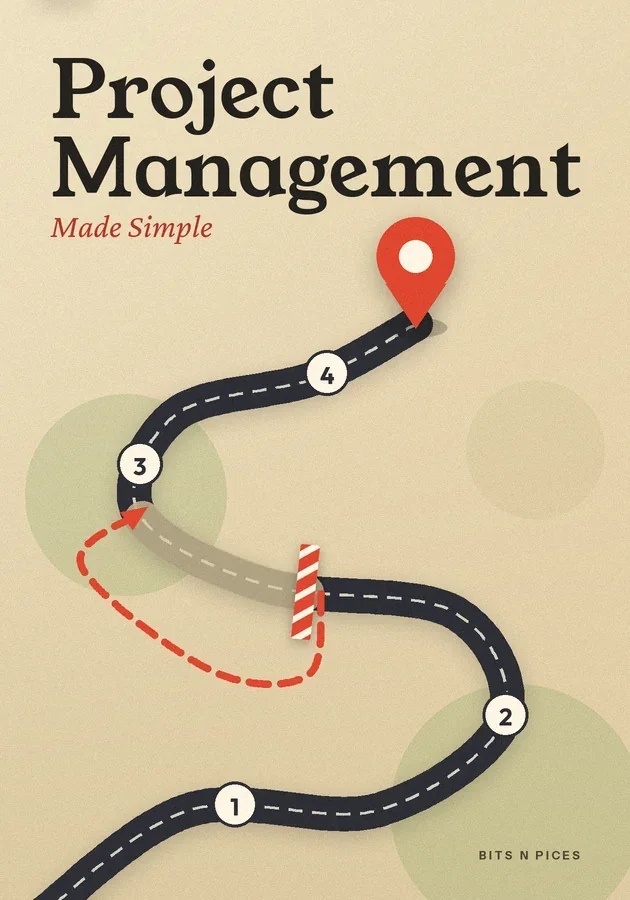
- Think of any project as a trip: know the destination, plan the route in small stages, and change the route when a road closes.
- You do not need software or jargon; a sheet of paper, a picture of done and one next step will carry most family projects.
- Put one name on every job, including your children's, and make each job small enough to finish in a single sitting.
- Hold a ten-minute Sunday check-in where each person shares one win, one worry and one next step, then moves their own notes.
- When everything feels like too much, get it all onto one page, choose the one project that matters most this month and park the rest.
이 비트의 내용
- A project is a trip with a destination
If the words project management make you picture offices, charts and people with lanyards, set that aside. A project is just a trip.
- Four myths that make it sound harder
Myth one: you need special software. You do not.
- The small part that does most of the work
You can ignore most of what fills project management textbooks. Four simple habits give you the bulk of the benefit, the way four legs hold a stool steady.
- Making it a family habit
Plans stick at home when everyone can see them. Put a sheet of paper or a few sticky notes on the fridge with three areas: to do, doing and done.
- Talking to children about plans and setbacks
Children learn planning mostly by watching how you handle your own projects, especially when they go wrong. When the delivery is late or the rain arrives, say the problem out loud, calmly, and then say your plan B.
- When it all feels like too much
Sometimes the trouble is not one project but five at once, with work on top. The simple fix is to cut the number of trips you are on.
여섯 가지 방법으로 배우기
이 책을 위해 시각화, 마인드맵, 연습, 시나리오, 챌린지, 복습 기능이 준비되어 있어요.
퀴즈와 플래시카드
읽은 내용을 테스트하고 간격 반복으로 확실히 기억하세요.
Bits AI
보고 있는 책, 섹션, 퀴즈 질문에 대해 답변해 줍니다.





