핵심 요약
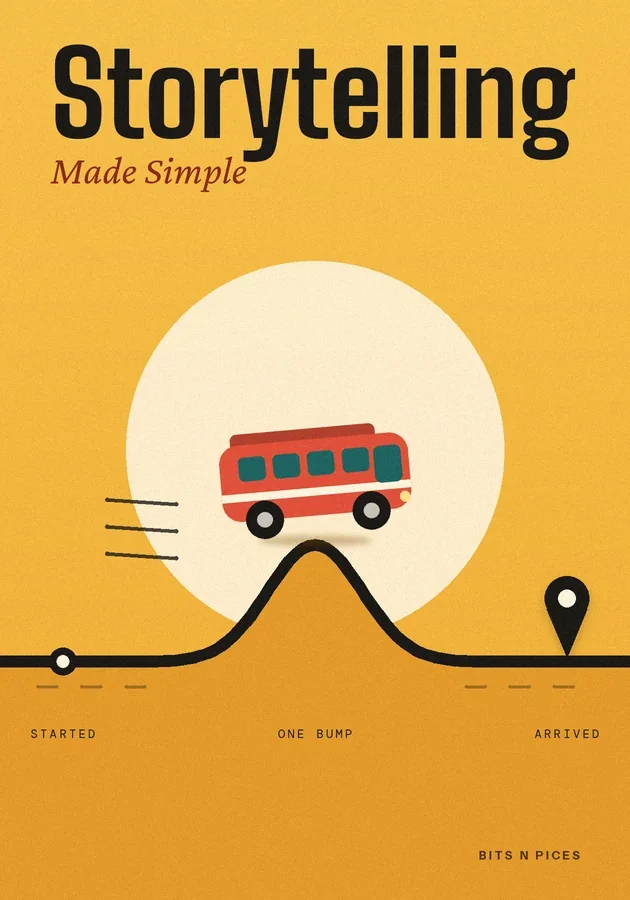
- Picture every story as a trip with one bump: where things started, the problem or surprise, and where everyone arrived afterwards.
- Ordinary life is enough material; a burnt pan or a missed bus carries a story as well as any adventure does.
- Start near the bump, keep only one bump, and say where you arrived in a single line before you stop talking.
- Children copy the shape of the stories they hear at home, so tell your small mistakes and ask about their bumps.
- Listen before telling when someone is upset, and ask before sharing a story that belongs to someone else, especially a child.
이 비트의 내용
- Storytelling is smaller than you think
Beatriz works at a hotel reception desk in Recife and has two children, aged eight and twelve. When her son's school asked parents to tell a short story about their work on careers day, she panicked.
- One picture: a trip with one bump
Picture any story as a short trip. You start somewhere, you hit a bump in the road, and you arrive somewhere slightly different from where you set out.
- Six myths that make it feel hard
Most parents who say they cannot tell stories are held back by beliefs, not ability. Six are worth dropping.
- The three moves that do most of the work
If you remember only three things, remember these. Start near the bump, not at breakfast: most stories improve when the first two sentences are deleted.
- How children pick up stories from you
Children learn the shape of a story mostly by hearing it, long before anyone teaches it. The stories told at your table become their template.
- When a story helps and when it does not
Stories are powerful, which is exactly why they need judgement. Three situations call for restraint.
여섯 가지 방법으로 배우기
이 책을 위해 시각화, 마인드맵, 연습, 시나리오, 챌린지, 복습 기능이 준비되어 있어요.
퀴즈와 플래시카드
읽은 내용을 테스트하고 간격 반복으로 확실히 기억하세요.
Bits AI
보고 있는 책, 섹션, 퀴즈 질문에 대해 답변해 줍니다.