Principais ideias
- Os investidores recebem o retorno do mercado menos os custos; são os custos que definem quem ganha
- Tenha o mercado todo com um fundo de índice amplo e barato em vez de tentar adivinhar os vencedores
- A maioria dos fundos ativos perde para o índice no longo prazo, e os vencedores raramente se repetem
- Foque nos lucros e dividendos da empresa; ignore as oscilações de humor do mercado
- Simplifique: divida entre ações e renda fixa, rebalanceie pouco e mantenha por décadas
Dentro deste bit
- Tenha tudo, pague quase nada
John C. Bogle founded Vanguard and launched the first index fund for ordinary investors in 1976, and this little book is his case in plain language.
- A matemática implacável dos custos
Bogle's foundation is a piece of arithmetic no marketing can escape. Before costs, the average rupee invested in the market earns exactly the market return, because the market is the sum of all its investors.
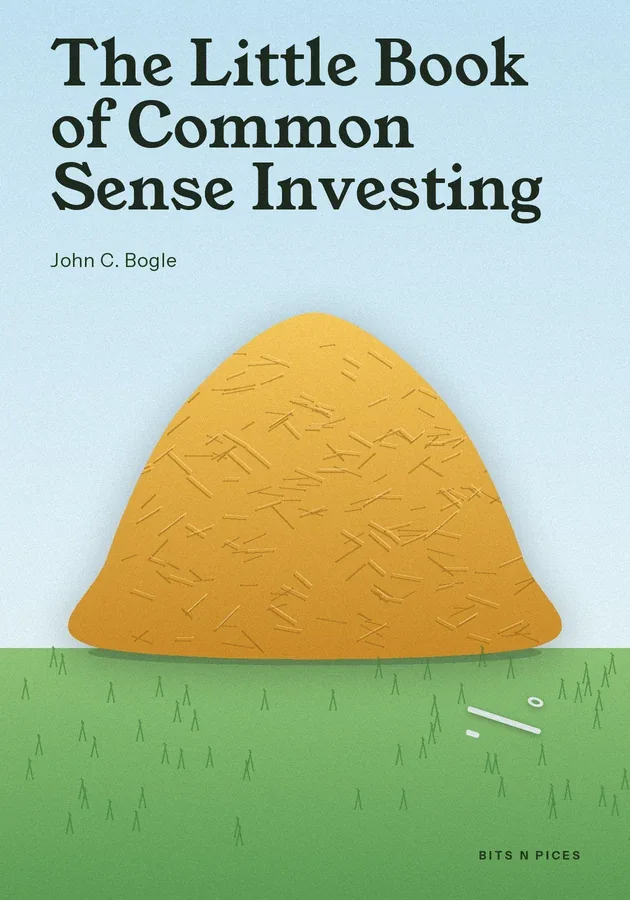
- Buy the whole haystack
Rather than searching for the few stocks or fund managers that will beat the market, Bogle says to own all of them through a broad, low-cost index fund. His evidence is that most actively managed funds trail their benchmark over a decade or more, that the ones which win rarely keep winning, and that many of the losers quietly disappear, making the survivors look better than they were.
- Especulação não é investimento
Bogle draws a line between the return a business earns, which is dividends plus earnings growth, and the return the market adds or subtracts through changes in how much investors will pay per rupee of earnings. Over a decade, the first is reliable and the second is noise; over a century, the second averages out to almost nothing.
- Mantenha simples, pense no longo prazo
Bogle's practical advice is almost boring, which he takes as a compliment. Hold a broad equity index fund and, as you age or your nerves require, a broad bond index fund; a common rule of thumb puts roughly your age in percent into bonds, adjusted for your situation.
- Coloque em prática
This week, look up the expense ratio of every fund you hold and write the numbers side by side; anything above 1% deserves a hard question. Check what share of your portfolio sits in broad, low-cost index funds and consider sending new SIP money there first.
Aprende de seis maneiras
Visualizar, Mapa Mental, Praticar, Cenário, Desafio e Revisão foram criados para este livro.
Narrado
Ouve este bit, lido por Michael ou Bella.
Quiz e flashcards
Testa o que leste e guarda-o com repetição espaçada.
Bits AI
Responde sobre o livro, a secção e a pergunta do quiz em que estás.