

核心要点
- Scam messages are becoming personalised and flawless, so teach your family to question the request itself rather than hunt for spelling mistakes.
- A family code word, agreed at home and never typed or posted, defeats a cloned voice asking for urgent money with one question.
- Passkeys refuse to work on fake login pages, so move the family's main email and banking to them as services allow, with recovery planned first.
- Loosen parental controls on a schedule your child can see, so they practise deciding safely long before adulthood arrives.
- Post about your child as if they will read it at twenty-five, and ask their permission once they are old enough to have a view.
本篇内容
- Where threats are heading in the next decade
Over the next five to ten years, three shifts look likely enough to plan for. First, scam messages will increasingly be written by software that can imitate a bank's tone, a teacher's style or a relative's way of texting, in any language and without spelling slips.
- Skills that outlast every app and device
Apps and settings menus change every year, so the durable skills are habits of mind. The first is verification through a second channel: calling back on a known number, asking in person, or opening the official app rather than the link.
- Passkeys, code words and the end of passwords
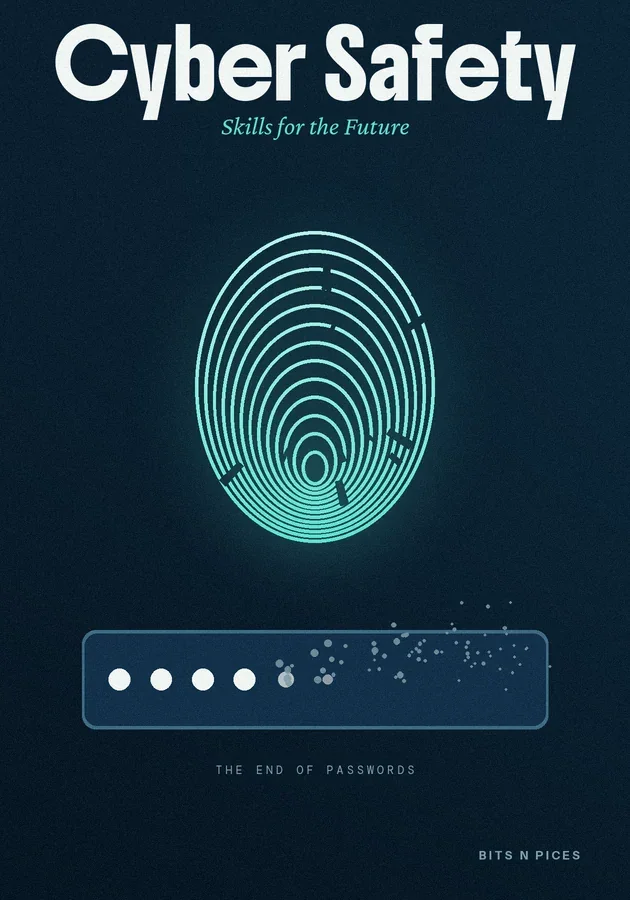
Passwords are slowly giving way to passkeys, a login method in which your phone or computer proves who you are with a secret it never hands to the website, unlocked by your fingerprint, face or device PIN. The gain is large: a passkey simply will not work on a fake site, so the most common phishing trick fails.
- Raising judgement, not just obedience
Parental controls help with young children, but they have a ceiling. Filters miss things, older children find workarounds, and a teenager who has only ever been blocked reaches adulthood without practice in deciding.
- A digital footprint that outlives the platform
Children born today have an online record that began before they could speak. A first-day-at-school photo, a uniform showing the school's name, a birthday post with the full date: each seems harmless, yet together they answer the identity checks and security questions that services may use for years.
- Keeping up as a family, and the upside
Nobody can track every new threat, so build a light rhythm instead. Once a quarter, hold a twenty-minute family tech review: which accounts or devices arrived, which old ones can be deleted, whether updates are still switched on, and whether anyone received a strange message.
六种学习方式
为本书专门编写了可视化、思维导图、练习、场景、挑战和复习模式。
测验与抽认卡
测试你的阅读成果,并通过间隔重复巩固记忆。
Bits AI
它可以根据你正在看的书籍、章节或测验题来回答。





