

核心要点
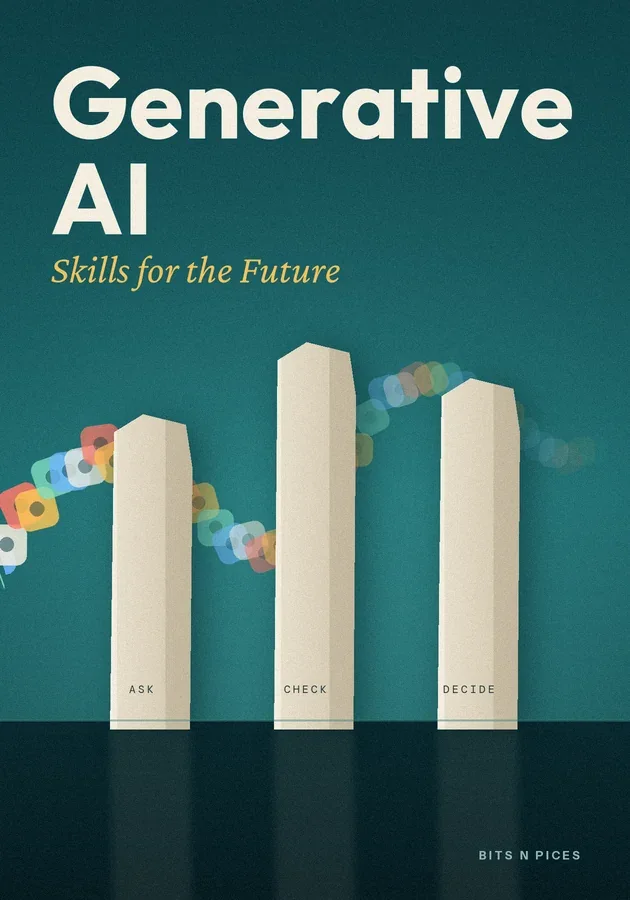
- The tools will keep changing every few months, but the skills of asking clearly, checking carefully and deciding wisely will hold their value for a decade.
- Children who learn to use AI as a thinking partner rather than an answer machine build understanding that survives the exam and the job interview.
- A family that explores one new tool together each month stays curious instead of anxious, and the parent does not have to be the expert.
- The biggest risks ahead are believable fakes, quiet over-reliance and leaking private data, and each has a simple household habit that reduces it.
- Plan for the next five years by choosing what your family will get better at, not by guessing which apps will still exist.
本篇内容
- Where this is heading, in plain terms
Ten years ago most people typed a few words into a search box and read a list of links. Today many of us type a whole paragraph to an assistant and get a draft back.
- The skills that keep their value
When a machine drafts well, the human value moves to the edges of the job: deciding what to ask, judging what comes back and taking responsibility for what is used. Four skills live there.
- Learning together as a household
You do not have to be the expert. A parent who says 'let us find out together' teaches more than one who pretends to know.
- Raising a child alongside these tools
The question most parents ask is whether AI will do their child's homework. It can, so read the school's rule first and follow it.
- The risks worth watching
Three risks matter most for families in the coming years. The first is believable fakes: voices, photos and videos that look real and are not.
- A five-year plan for your family
You cannot know which apps your child will use at eighteen. You can decide what you want them, and yourself, to be able to do.
六种学习方式
为本书专门编写了可视化、思维导图、练习、场景、挑战和复习模式。
测验与抽认卡
测试你的阅读成果,并通过间隔重复巩固记忆。
Bits AI
它可以根据你正在看的书籍、章节或测验题来回答。





