

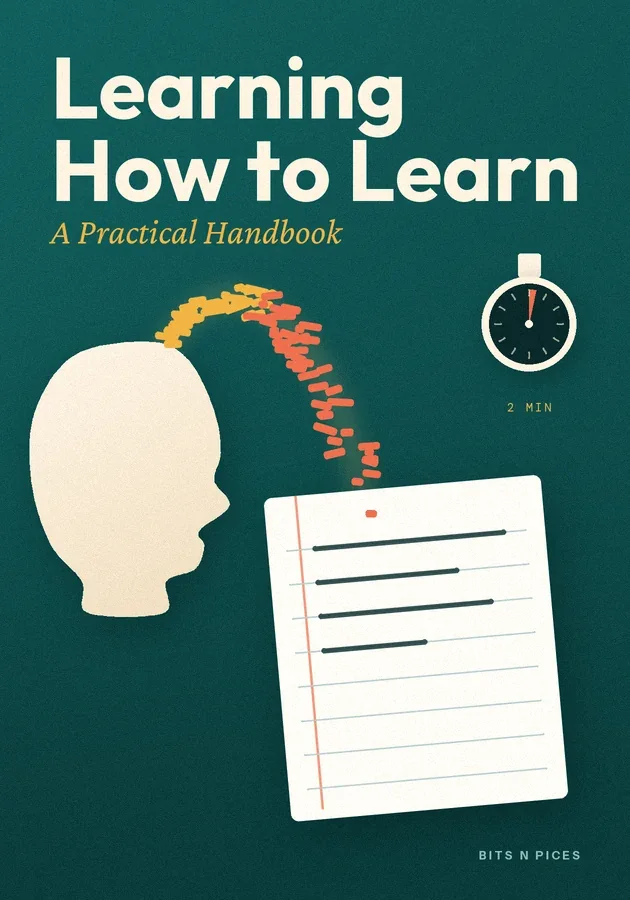
核心要点
- Hold a fifteen-minute Sunday planning slot where everyone, parents included, names one thing they are learning and how they will test it.
- Open every study session with a two-minute brain dump on a blank page before any book or screen is opened.
- Put reviews on a widening ladder of dates, and after a missed day clear the overdue items instead of restarting.
- Block practice only until each type is accurate, then mix and label methods, warning your child that practice scores will dip first.
- Coach with the least help that works: pause, prompt, point, and show a similar problem only as a last resort.
本篇内容
- Setting up a household learning system
A system beats good intentions because it keeps working on tired evenings. A household learning system has four parts.
- The retrieval routine, step by step
Every session in the house starts the same way, whatever the subject. Step one: a two-minute brain dump, writing everything remembered from the last session on a blank page before any book or screen opens.
- A review schedule that survives real weeks
Spacing only works if reviews actually happen, so put them on the calendar, not in anyone's memory. One common pattern is a widening ladder: first review a day after learning, then after three days, a week, three weeks and two months.
- Mixing and varying practice for harder material
Blocked practice, many problems of one type in a row, is the right start for a brand-new procedure, because early errors compound. The switch point is accuracy, not time: once a child can do each type correctly but slowly, move to mixed sets.
- Coaching without taking over
A very common parental mistake is helping too much, too fast; every answer you supply is a retrieval your child did not make. Use a hint ladder, one rung at a time.
- Troubleshooting checklist and monthly review
When learning stalls, match the symptom to its cause first. Knows it at home, blanks in the test: practice has been too easy or too cued, so add closed-book recall under a time limit.
六种学习方式
为本书专门编写了可视化、思维导图、练习、场景、挑战和复习模式。
测验与抽认卡
测试你的阅读成果,并通过间隔重复巩固记忆。
Bits AI
它可以根据你正在看的书籍、章节或测验题来回答。





