

核心要点
- The night before a test, test first, reread only what was missed, and protect sleep rather than stretching the session past bedtime.
- When a child says 'I already know it', ask for proof without the book: a two-minute explanation or three questions answered from memory.
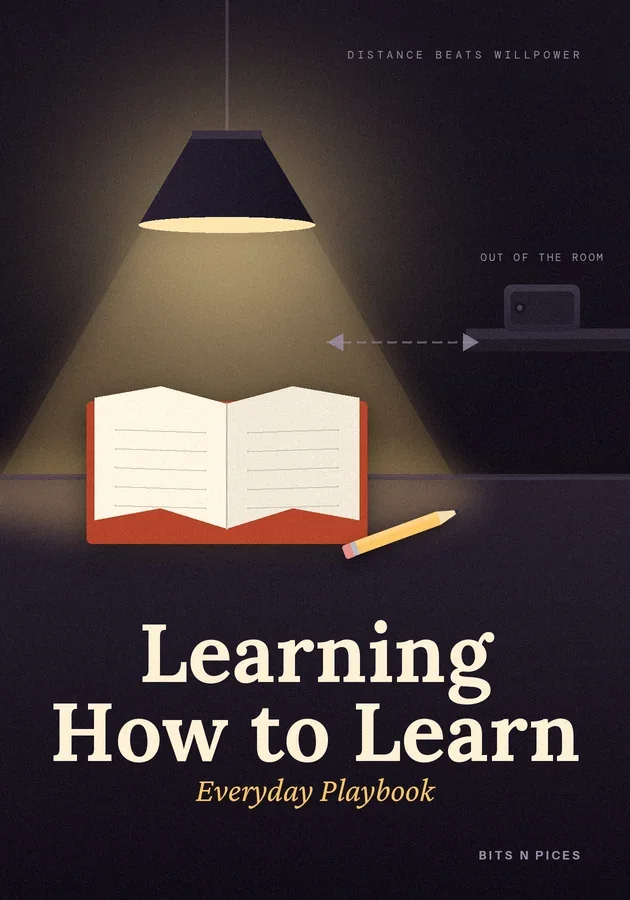
- Phones win by being close, so move them out of the room for study blocks rather than relying on anyone's willpower, including yours.
- A repeated mistake is a pattern to diagnose, not a character flaw: log it, name its cause and practise that exact step in mixed sets.
- After a disappointing result, wait a day, ask about methods before marks, and bring specific questions to the teacher rather than general worry.
本篇内容
- The play for the night before a test
It is eight o'clock, the test is tomorrow and your child has barely started. The instinct is to read everything once more, late into the night.
- When they insist they already know it
'I already know it' is sometimes true and often an illusion. Material read several times feels familiar, and familiarity is easily mistaken for being able to recall it.
- When the phone keeps winning
Phones win because they are close and endlessly interesting, not because children lack character. Even a silent phone on the desk tugs at attention, and every quick check means the return to homework starts cold.
- When the same mistake keeps coming back
When a child makes the same error for the third time, repeating the correct method more loudly does not help. A repeated mistake is a pattern with a cause, and the play is to diagnose it.
- When you are the one learning something new
Children learn how to learn partly by watching adults do it. If they only ever see you already competent, learning looks like something people either have or lack.
- When the report card disappoints
A poor result lands hard on parent and child alike. The first play is timing: acknowledge it calmly on the day and save the real conversation for tomorrow, when neither of you is defensive.
六种学习方式
为本书专门编写了可视化、思维导图、练习、场景、挑战和复习模式。
测验与抽认卡
测试你的阅读成果,并通过间隔重复巩固记忆。
Bits AI
它可以根据你正在看的书籍、章节或测验题来回答。





