核心要点
- Split your money into 3 accounts: one to receive salary, one to spend, one to invest
- Buy plain term life cover and your own health policy; never mix insurance with investment
- Keep 6 months of expenses in an emergency fund before you invest for growth
- Match every rupee to a goal and a date; long-term money belongs in equity SIPs
- Write a will and keep one sheet listing every account, policy and nominee
本篇内容
- Money needs plumbing, not willpower
Most Indians earn well and still feel anxious about money. The salary lands, bills go out, something drips into a fixed deposit, an old LIC policy runs quietly, and nobody can say whether the family is on track.
- Three accounts, three jobs
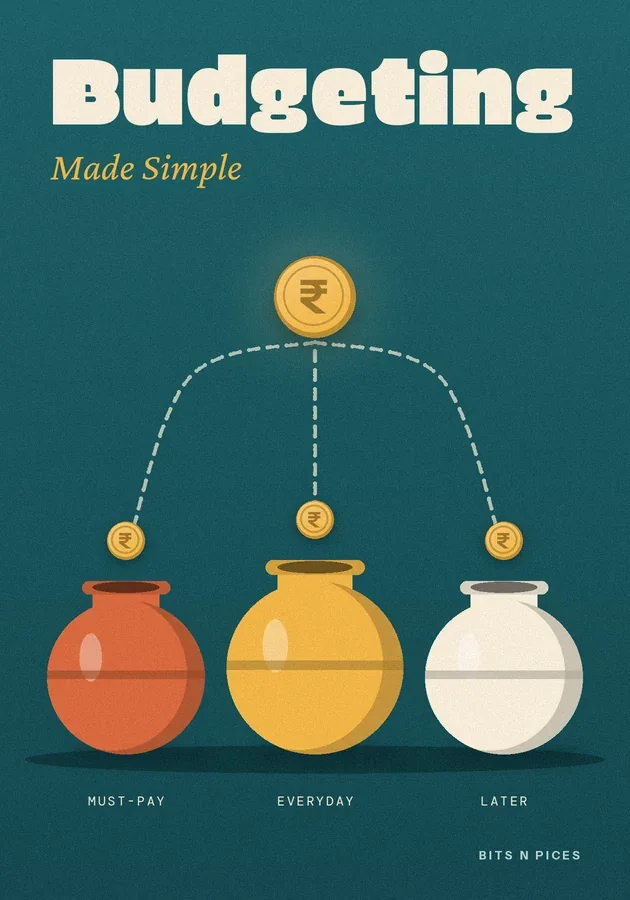
Halan's core move is to split your money into three bank accounts with distinct jobs. The first receives your salary.
- Insurance protects, it does not invest
Halan is blunt about the products most Indian families own. Endowment plans and money-back policies bundle a tiny life cover with a poor return, and they lock you in for decades.
- Match money to goals and time
Once protection is in place, investing becomes a matching exercise. Halan asks you to list goals with dates: a car in 2 years, a child's college in 12, retirement in 25.
- Retirement and what you leave behind
Two topics most people skip are the ones Halan cares about most. Retirement can last 25 or 30 years, and inflation at Indian rates roughly doubles your expenses every 12 years or so, which means the number you need is far larger than a provident fund balance.
- Put it to work
This week, open a second and third bank account if you have only one, and set standing instructions so salary day triggers transfers to a spend account and an invest account. Check what life insurance you actually hold; if it is an endowment or money-back plan, get a quote for a term plan and work out when to stop the old one.
六种学习方式
为本书专门编写了可视化、思维导图、练习、场景、挑战和复习模式。
语音朗读
聆听此内容,由 Michael 或 Bella 朗读。
测验与抽认卡
测试你的阅读成果,并通过间隔重复巩固记忆。
Bits AI
它可以根据你正在看的书籍、章节或测验题来回答。