

核心要点
- Believing ability can grow changes how you respond to effort, mistakes and criticism
- Praise the process, such as strategy and persistence, rather than talent or intelligence
- A fixed mindset makes every test a verdict, so people avoid the hard tasks
- Great coaches and companies build people, not just collect stars
- Add the word yet to any failure and the next step becomes visible
本篇内容
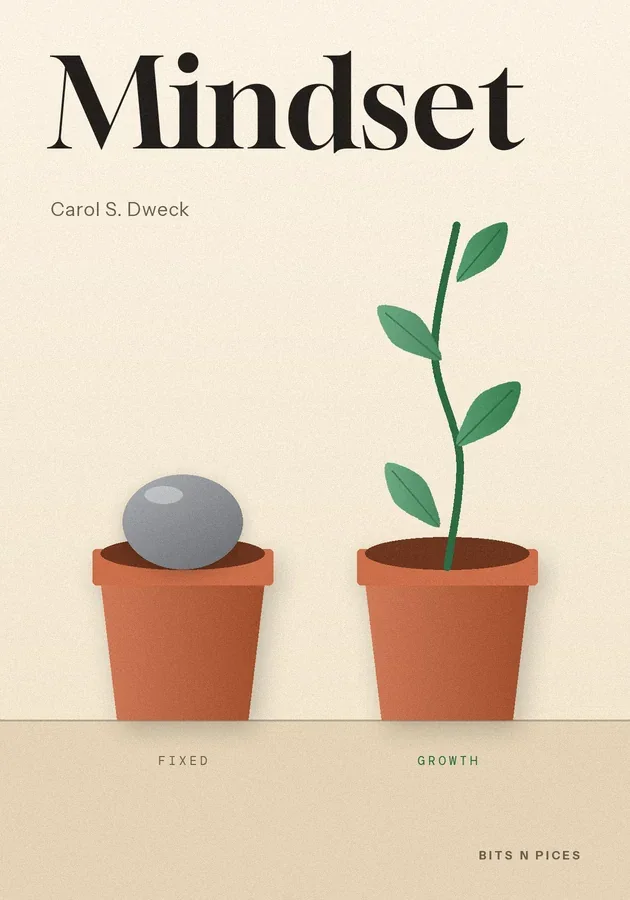
- Two ways to see ability
Give two children a puzzle that is too hard for them. One looks crushed and pushes it away.
- Why failure feels so different
In a fixed mindset, a mistake is not just a mistake. It is evidence about who you are.
- The danger of praising talent
Parents and teachers mean well when they say you are so clever. Dweck's research suggests it backfires.
- Mindset in sport and business
Dweck applies the same lens to champions and companies. She contrasts athletes who see natural talent as the whole story with those who treat every game as practice and every loss as a lesson.
- Changing your own mindset
The good news is that mindsets are beliefs, and beliefs can shift. Dweck describes workshops where students learned that the brain forms new connections when it struggles with something hard.
- Put it to work
This week, catch yourself the next time you praise someone and swap the word clever or talented for a comment on their strategy or persistence. When something goes wrong, write one sentence about what you will try differently, and end it with the word yet.
六种学习方式
为本书专门编写了可视化、思维导图、练习、场景、挑战和复习模式。
语音朗读
聆听此内容,由 Michael 或 Bella 朗读。
测验与抽认卡
测试你的阅读成果,并通过间隔重复巩固记忆。
Bits AI
它可以根据你正在看的书籍、章节或测验题来回答。





