

핵심 요약
- Tie your movement to a cue that already happens every day, such as the school drop-off or clearing the dinner plates, instead of relying on willpower.
- Write if-then plans for your usual obstacles, such as if it rains, then I do the stair circuit, so the decision is made before the tired moment.
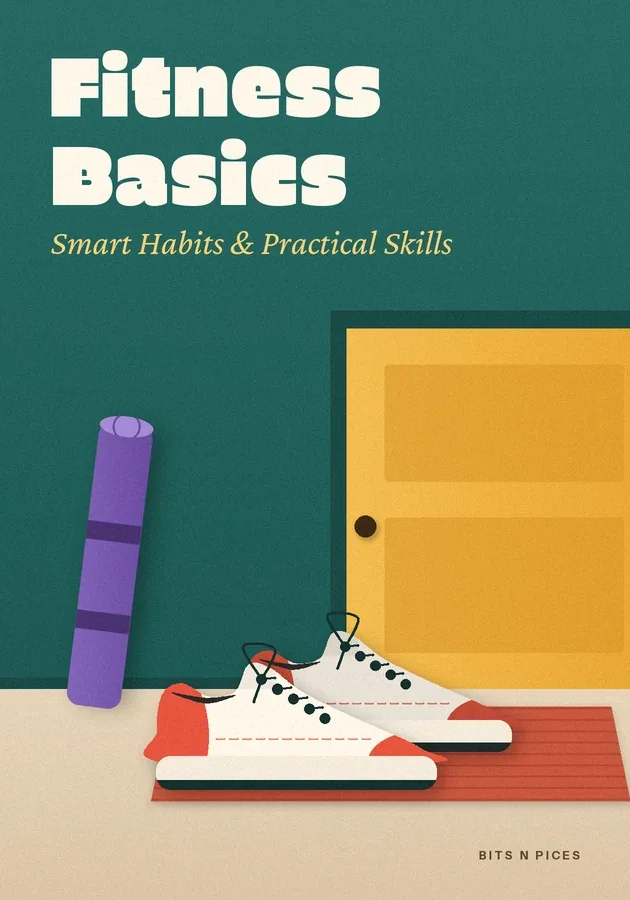
- Make the active choice the easy one at home: shoes by the door, a mat left out, bikes within reach, and the phone charging outside the bedroom.
- Track what the family did, such as ticks on a shared calendar, never weights or comparisons between children, and review it together for ten minutes each week.
- Plan hard seasons in advance by shrinking the habit rather than dropping it, and expect a new routine to take a couple of months to feel automatic.
이 비트의 내용
- Why busy families need systems, not willpower
A habit is a behaviour that starts almost automatically when a familiar cue appears in a familiar place. That matters for parents, because by evening most of the day's willpower has gone on lunch boxes, homework and work messages.
- Anchoring movement to the day you already have
The strongest cues are routines that already happen every day without fail. Habit stacking attaches a new action to one of them: after I pour my morning tea, I do five minutes of squats and counter push-ups while it cools.
- Friction: making the active choice the easy one
Friction is any small effort that stands between you and an action. It sounds trivial, but a few seconds of hunting for shoes or unrolling a mat is often enough to tip a tired parent towards the sofa.
- Designing a routine the whole family owns
Children rarely adopt routines because they are told to; they absorb the ones their household simply has. A family routine works best with a fixed slot, a little choice and no scorekeeping.
- Tracking that helps rather than pressures
Tracking works because it makes an invisible habit visible, and a chain of ticks becomes something nobody wants to break. The intermediate skill is choosing what to track.
- Keeping it going through hard seasons
New routines take longer to settle than most people expect. A common estimate from habit research is around two months for a daily action to feel automatic, with wide variation between people, so judge your system after a season, not a week.
여섯 가지 방법으로 배우기
이 책을 위해 시각화, 마인드맵, 연습, 시나리오, 챌린지, 복습 기능이 준비되어 있어요.
퀴즈와 플래시카드
읽은 내용을 테스트하고 간격 반복으로 확실히 기억하세요.
Bits AI
보고 있는 책, 섹션, 퀴즈 질문에 대해 답변해 줍니다.





