

핵심 요약
- Children learn resilience mostly from the routines they live inside and the recoveries they watch, so design family habits rather than delivering pep talks.
- Attach each resilience habit to a moment your family already shares, such as the school run, dinner or bedtime, so the cue does the remembering.
- Add friction to the reactions you regret, such as replying in anger, and remove friction from the responses you want, such as reaching a calm corner.
- Stack one small daily brave thing onto an existing routine, sized to feel nervous but doable on a bad day, and let children choose their own.
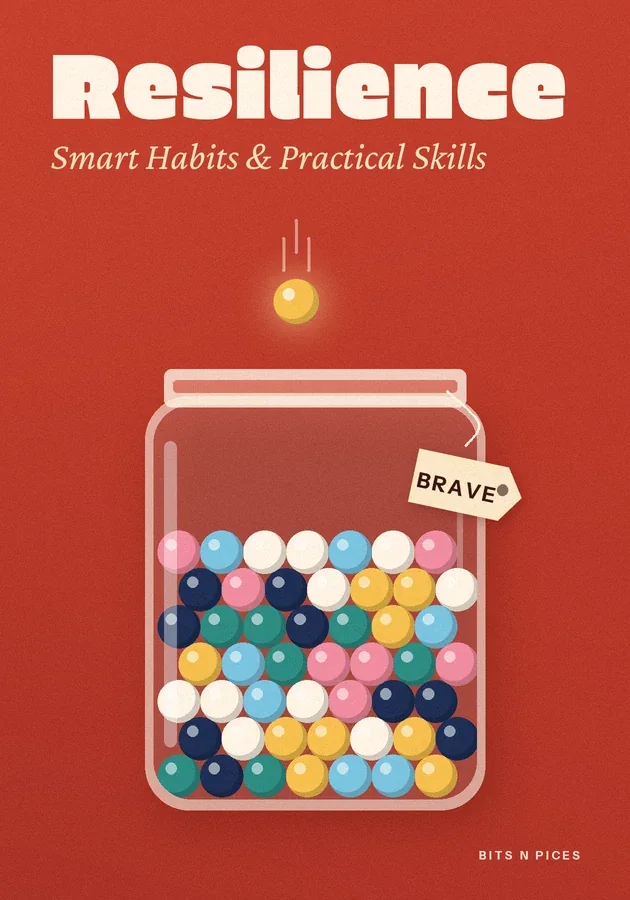
- Track actions in a shared brave jar rather than scoring moods, and after any missed day make sure the habit happens the next day, however small.
이 비트의 내용
- Why routines teach more than speeches
Most parents already know the ideas behind resilience: setbacks are normal, feelings pass, effort grows ability. The difficulty is that children rarely absorb ideas from a talk given at the wrong moment.
- Cues that spark a steadier response
A habit has three parts: a cue that starts it, a routine you carry out and a reward that makes it worth repeating. Family resilience habits fail most often at the cue.
- Friction for the reactions you regret
Friction is anything that makes a behaviour slightly harder, and you can use it on purpose. Most parents have one or two reactions they regret, such as shouting when a child dawdles in the morning or firing off a sharp reply to the class group chat.
- Stacking small stretches into the day
Resilience grows when people meet manageable difficulty often, not when they are protected from all of it. A family habit can build that on purpose.
- Tracking without turning it into homework
Tracking keeps a routine visible, but in families it easily backfires. A chart that scores a child's moods or rewards 'not crying' teaches performance, not resilience.
- Restarting when a family habit breaks
Every routine eventually breaks, usually during exam month, a house move, an illness or a visit from relatives. Missing one day is ordinary.
여섯 가지 방법으로 배우기
이 책을 위해 시각화, 마인드맵, 연습, 시나리오, 챌린지, 복습 기능이 준비되어 있어요.
퀴즈와 플래시카드
읽은 내용을 테스트하고 간격 반복으로 확실히 기억하세요.
Bits AI
보고 있는 책, 섹션, 퀴즈 질문에 대해 답변해 줍니다.





