Belangrijkste inzichten
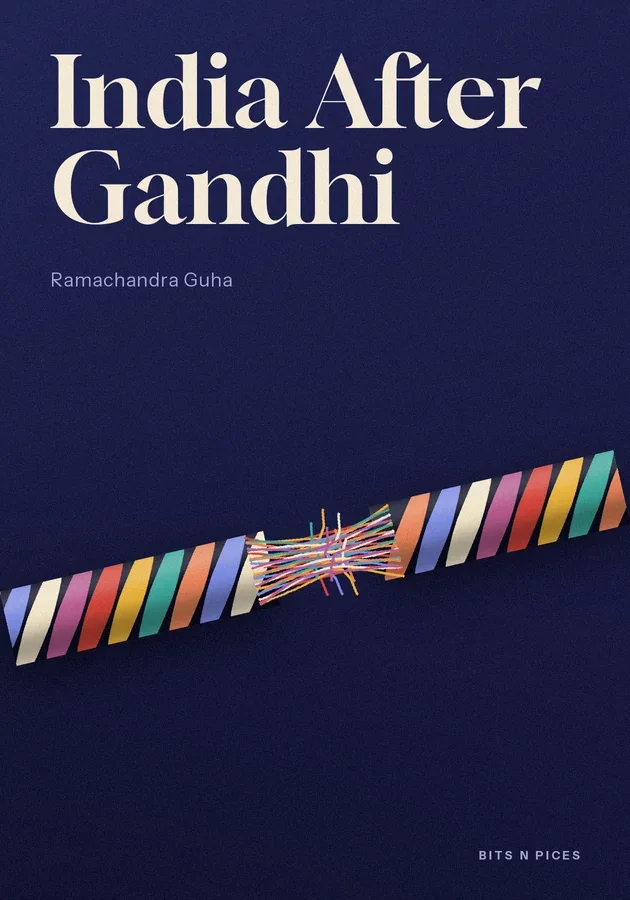
- India's unity lies in a shared civilisational thread that survived every conquest and dynasty
- Indian culture grew by absorbing outsiders rather than by walling them out
- Stagnation, not foreign arms alone, left India vulnerable to British rule
- Colonial rule drained wealth and dismantled industry while claiming to bring progress
- A modern India needs the scientific temper alongside pride in its heritage
In deze bit
- A prisoner writes his country's story
In 1944, locked in Ahmednagar Fort by the British for his part in the Quit India movement, Jawaharlal Nehru spent five months writing a book that tried to answer a personal question: what is this India he had given his life to, and what holds it together? The result is part history, part travel diary, part political argument.
- Unity beneath the diversity
Nehru had travelled the country for years, speaking at village gatherings from Kerala to Punjab, and he noticed something. However different the languages, dress, and food, people responded to the same idea of Bharat Mata, and pilgrims from the north went south to Rameswaram while southerners went north to Kashi.
- A culture that absorbed its conquerors
Nehru rejects the idea of a pure ancient India spoiled by foreigners. Aryans, Greeks, Scythians, Huns, Turks, Afghans, and Mughals all entered, and each time India took what they brought and made it its own.
- Why India fell behind
How did a civilisation with such depth end up ruled by a trading company? Nehru's answer is uncomfortable.
- The scientific temper
The India Nehru wants to build is not a return to a golden age. He argues that the country needs what he calls the scientific temper: the habit of asking for evidence, of doubting authority, of changing one's mind when facts demand.
- Put it to work
This week, pick one period Nehru covers, perhaps the Gupta age or Akbar's court, and read a chapter with a map beside you, noting how ideas and goods moved across regions. If you are preparing for an exam, write a one page answer on the drain of wealth using his argument as a spine and add figures from a modern source.
Leer het op zes manieren
Visualiseren, Mindmappen, Oefenen, Scenario, Uitdaging en Herhalen zijn geschreven voor dit boek.
Voorgelezen
Luister naar deze bit, voorgelezen door Michael of Bella.
Quiz en flitskaarten
Test wat je hebt gelezen en onthoud het beter met gespreide herhaling.
Bits AI
Het geeft antwoord over het boek, de sectie of de quizvraag waar je mee bezig bent.